| |
|
|
|
ELY
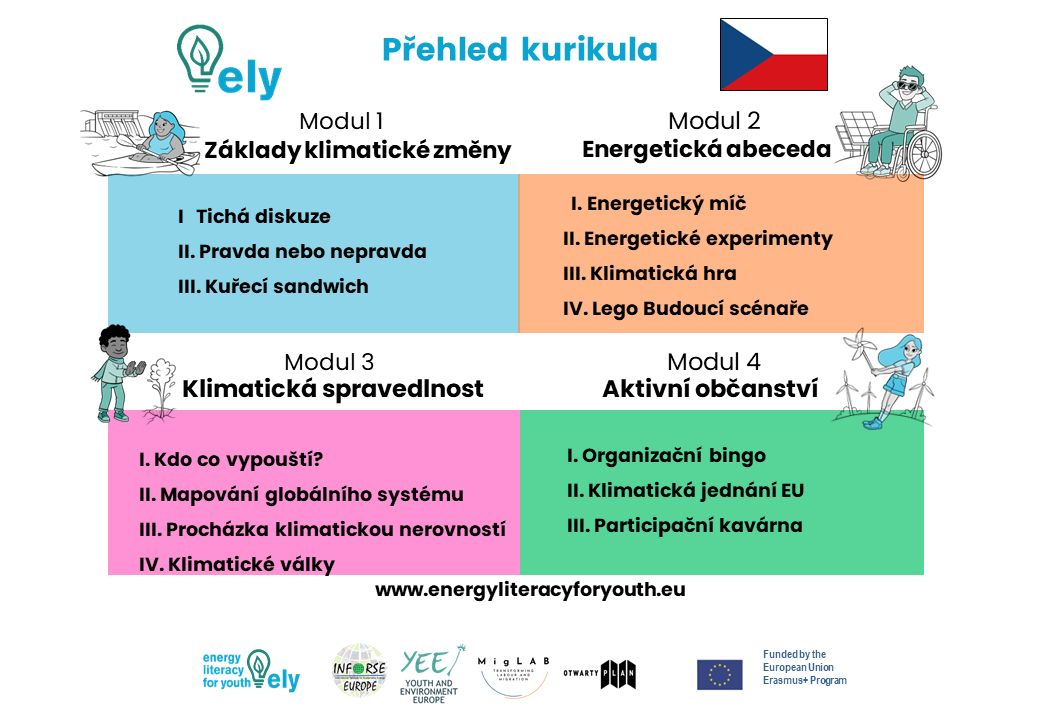
Table of Contents (1 page) (pdf - in Czech) 
Table
of ontents to the Energy Literacy for Youth (ELY) Training Material
of the
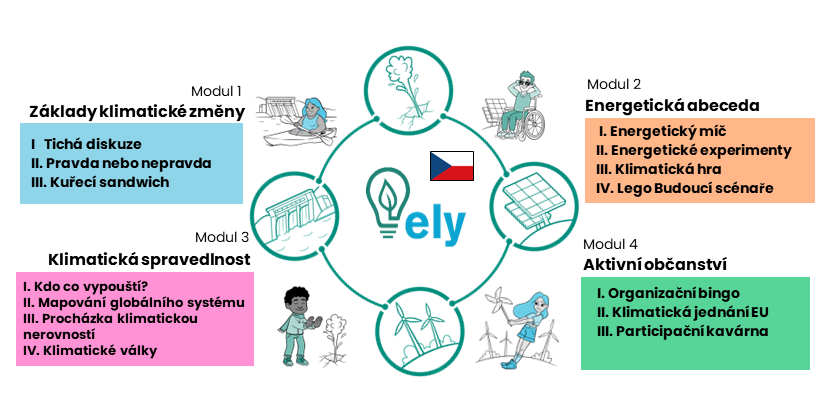
14 methods in 4 modules.
Each method is described in the Handbook (37
pages.) and used together with the Facilitator Material
(116 pages.) and the Fact Sheets.(47 pages.).
The Background text (19 pages.) includes an introduction
to the project and to the training methods. |
|
ELY
Handbook (37 pages) (pdf - in Czech) includes
guiding to the trainer how to do the training for the 14
methods in the
4 modules. It includes how to introduce the topic, how to
implement, easy and advanced versions, question points for
discussion, and conclusions.
There is also an estimation how much time a method takes and, which facilitator
material, and fact sheet can be used. |
|
ELY
Facilitator Material (116 pages) (pdf - in Czech) includes
the material to print to the 14 methods. How to use them
is
described in the Handbook. The material include worksheets,
solution sheets, posters,
true
and false statements,
CO2 consumption
bricks and board to the board game, role cards, system cards,
activity
cards,
history time line sheets.
At some methods it also have more options, how the
training can be done depending the level of the training.
The energy experiments the trainer needs more preparation like
buying material or equipments beforehand.(e.g. movable solar
cell set, and wind energy set, a Watt-meter or a solar radio).
There are also low-cost
options, but they need longer preparations, and longer time
to implement. (e.g. a solar cooker, hay box or a bicycle wind
mill).
At the end There is Glossary of the Terms in easy language. |
|
ELY
Background (19 pages.) (pdf - Czech) includes
an introduction to the ELY - Energy Literacy for Youth project
and to the training methods. |
|
ELY
Fact Sheets (48 pages) include 12 topics:(50 pages, pdf
- in Czech)
Solar Energy; Wind Energy; Hydro power; Biomass Energy; Heat Pump;, Energy
Savings, Efficiency, Sufficiency; 100 % Renewable Energy; Energy Communities;
What is Climate Change; Social Aspects of Climate Change; Energy Poverty;
Energy Wars.
Additional material can be used to the discussions at the Energy Experiments
stations of Solar Energy, Wind Energy:
Pictures, maps and graphs from the Fact Sheets combined eventual with a
set
of questions to support discussions.
History time lines of wind energy and of solar energy. |
| |
| Module
1 - Climate Change 101 |
|
|
1.1.
Silent Discussion |
What
do you learn::Participants are activating their
own knowledge on climate change mechanisms, both causes and
effects – scientific processes and social impacts.
Knowledge gaps are filled through discussion, and explanation
by the facilitator.
Description & How do you do: The trainer
place the posters on the wall. The participants silently
circulate in the room, look at the posters, and write down
on the poster what comes into their mind (first round).
and then what is the connection to climate change? (second
round)- Afterwards, they choose the sheet, they find the
most interesting and move it next to another one they think
is most connected. Then the groups around discuss the
connection, and presents it to the others. Finally, they
discuss together climate change and its effects on different
aspects of societies.
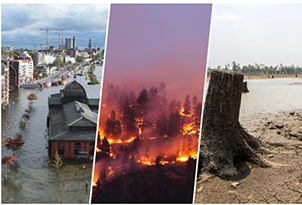
The posters show pictures of effects of climate change (draught, flood, wildfire)
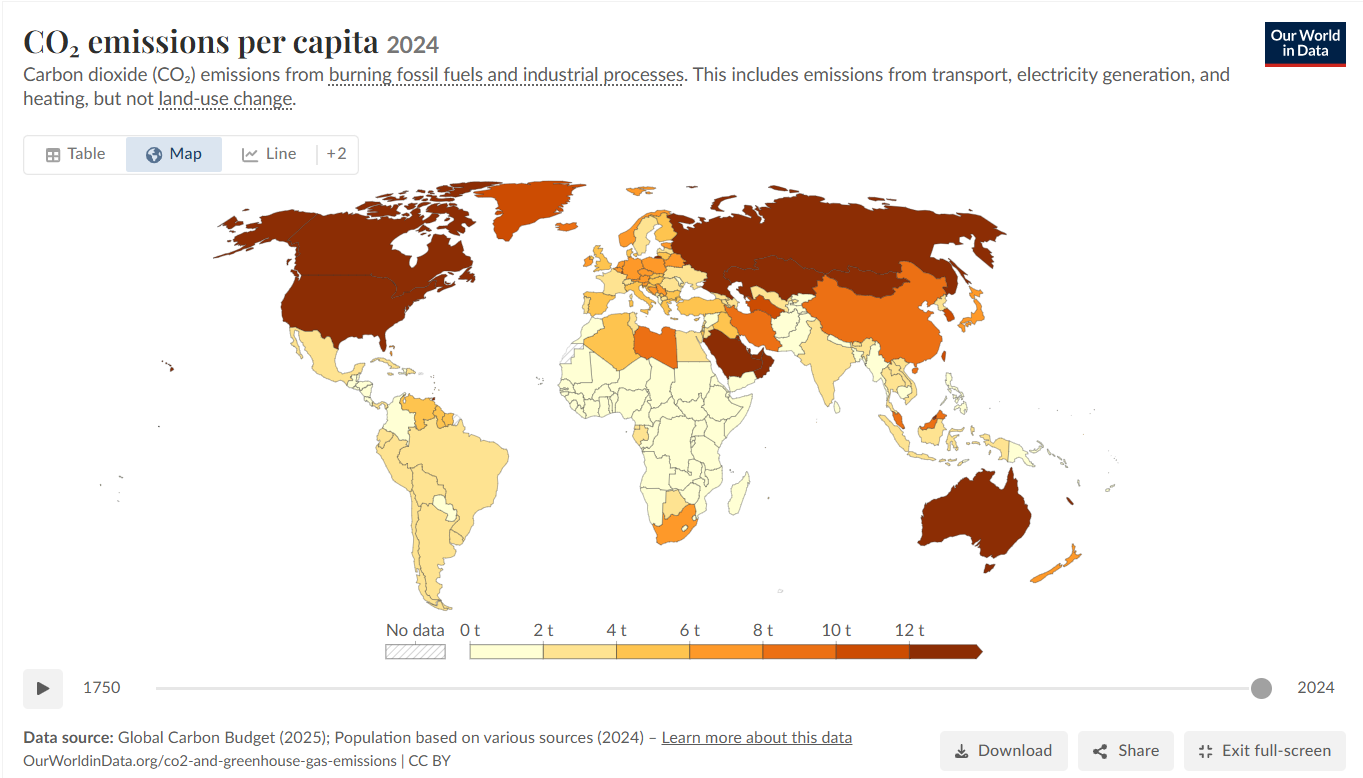
, graph of increase of global temperature and CO2 emission,
global maps of CO2 emission, coal power plant, transport
images, solutions like wind energy, solar energy etc.
- Material to use: Pages in the Handbook: # 8-9 and
in the Facilitator Material: # 2-15. (13 posters)
- Relevant Fact Sheets: What is Climate Change, Social Aspects of Climate
Change. |
:-) ? :-(
|
1.2.
True or False |
What
do you learn: Create awareness of the impacts
of climate change, and the need of critical thinking what
is true and what is false.
Description & How do you do: The
group of participants get statements on climate impacts,
which they discuss and decide if the statements are
true or false. Afterwards, the group present it to
the others, and it is discussed together. Finally,
the facilitator supplies explanation.
- - Material to use: Pages in the Handbook: # 10 and
in the Facilitator Material: # 16-19.
- Relevant Fact Sheets:What is Climate Change, Social Aspects of
the Climate Change.
|
|
|
1.3.
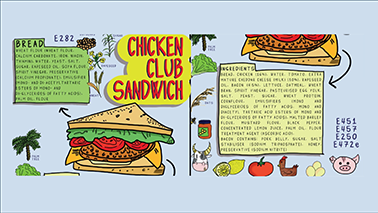
Chicken sandwich |
What
do you learn: Explore the links between food and
sustainability, environment and human health. Reflect on
what do we eat and its impact.
Description & How do you do: Each
team of 3-4 persons receives a fact sheet, on the ingredients
of a Chicken Sandwich and statements on climate and
environmental effects. The task is to decide which
effects are related to the Chicken Sandwich.
- Material to use: Pages in the Handbook: #11
and Facilitator Material #.20-22.
- Relevant Fact Sheets: What is Climate Change, Social Aspects of
the Climate Change.
|
| Module
2 - Energy ABC |
|
|
|
|
2.1,
Energy Ball |
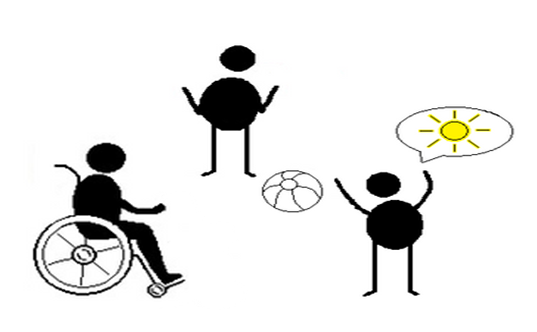
What
do you learn: Interactive energiser activating
prior knowledge through movement and quick idea-sharing.
Learn more about what do we do for saving energy, which
type of renewable energy exist.
Description & How do you do: The group
stands in a circle and casting a ball to an other person
in the circle. The person who is casting the ball says
something about the topic.The topics are: How do we use
energy? What do we do for the environment? What kind of
renewable energy source you know. The trainers writes the
list of ideas on a flip chart, and the participants discuss
it and fill the gaps.
- Material to use: Pages in the Handbook: #13-14
and Facilitator Material # 23.
- Relevant Fact Sheets: Energy Savings, Efficiency and Sufficiency;
100% Renewable Energy.
|
|
|
2.2.
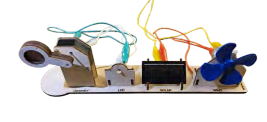
Energy Experiments |
What
do you learn: Hands on exploring energy use (measuring
with an electric meter), renewable energy production and
transfer (solar, wind, mechanical), and cooking through
experiments. Adds on using maps, graphs and pictures, from
the Fact Sheets, brings the aspect of regional differences,
and inequalities.
Description & How do you do: Hands-on
5 stations where each team circulate among the stations,
where they test renewable energy models, measure energy
use and compare efficiency, and discover cooking options
including discuss the differences and similarities
between North and South, and women's role. The methods
include also low-cost options, which need longer preparations
and more time. (e.g. transfer a bicycle to a wind mill,
make a solar cooker, or a hay box, actual cooking during
the training.
- Material to use: Pages in the Handbook: #15-18
and Facilitator Material: 5 stations.
- Relevant Fact Sheets: Solar Energy; Wind Energy; Biomass Energy;
100% Renewable Energy; Energy Savings Efficiency.
- Extra option: using the solar and wind energy history sheets, the pictures
and graphs discussing answering a set of simple questions.
|
|
|
2.3.
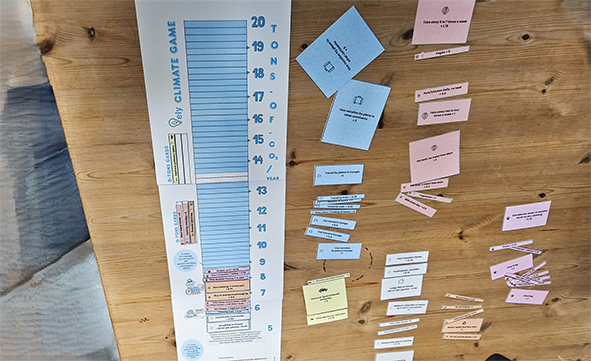
Board Game: CO2 footprint
|
What
do you learn: Explore how our lifestyle choices
impact our individual carbon footprint and how the country's
policies influence our choices.
Description & How do you do: Each
team of 3-4 persons receive a game board and different
CO2 bricks symbolising the CO2 use
in tons per year. The bricks are in different sectors.
Each team decides on lifestyle choices: do they eat
meat/chicken/vegetarian, do they drive car, have a
dog/cat, computer, how they heat their home, and are
they travel to holiday by flight/train/bicycle or stay
at home.
The typical choices end up all too much CO2, so in
the next round, they need to reduce the consumption. During the game can
be 2-3 round of reeducation. Each team explain their choices. The winner
is the team which can reduce the CO2 most.
Finally, there is an option to reduce the base CO2 use,
which is not depending on the individual choices, but decided by governments
through legislation or financial support. There are Policy Cards for each
sector, which can reduce/increase the CO2.
Each choices are discussed by the team. The board game is a good discussion
point how lifestyle choices and policy decisions shape our carbon footprints.
- Material to use: Pages in the Handbook: #19-20
and Facilitator Material # 49-66.
- Relevant Fact Sheets: Energy Savings, Efficiency and Sufficiency;
Heat Pump; Social Aspects of Climate Change;
|
|
|
2.4.
Lego Build Future Scenarios |
What
do you learn: Lego frees up fantasy. Empower to
be part of the change, by creating an optimistic view of
the future and showing the power of community in renewable
energy production
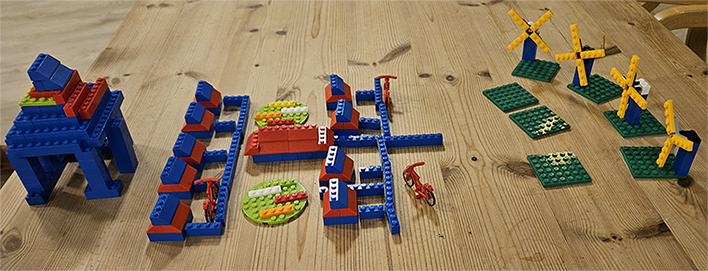
Description & How do you do: A
creative group task building climate-neutral future
communities with LEGO. The trainer et up a space with
a big box of LEGO. The participant exploring building
a future community with houses, gardens, community
houses, wind, solar energy supply etc. Some are building
complicated some simpler way. No design is wrong – imagination
and engagement are key. Important element is the discussions.
Prior to the Lego building participants get an introduction
what is an energy community, the 8 reasons why to make
a renewable energy community and 6 steps how to make
them, as well as learning about examples.
- Material to use: Pages in the Handbook: #21-22
and Facilitator Material # 67-72.
- Relevant Fact sheets: Energy Communities.
|
| Module
3 - Climate Justice |
|
|
|
|
3.1.
Who Emits What? |
What
do you learn: The UN Paris Agreement sets goals
to limit global warming by the countries. Find out which
countries are the largest and smallest emitters of CO2.Reflect
on responsibility for limiting emissions: including role
of governments, organisations, and individuals.
Description & How do you do:
- Ranking Counties: Each group is getting
a list of country names, and ranking them by their amount
of CO2 emissions. Additionally, the
groups can rank the countries by CO2 emission
by person, or just discuss the differences. The method
is opening discussion on historical responsibility and
fairness.
- Four Corners Activity: Who should act first: The
trainer sets up the 4 corners of the room: • High-income
countries that historically emitted the most • Emerging
economies now among the top emitters (e.g. China, India,
Brazil) • International organisations (UN organisations) • Individuals
and NGOs, local communities. Participants are asked to
stand in that corner where they think who should take
the lead to reducing the emissions, and explain their
views.
- Material to use: Pages in the Handbook: #24-25
and Facilitator Material # 73-74.
- Relevant Fact Sheets: Social Aspects of Climate Change.
|
|
|
3.2.
Mapping: Global System |
What
do you learn: Create understanding how energy
systems linked across industries and infrastructure. Showing
climate impacts (environmental and social) on people and
linkages to the different sectors. Discuss the role of
governments, municipalities and large corporations.
Description & How do you do: A collaborative
mapping exercise linking energy use in different sectors
and to the impacts showing how global systems drive emissions
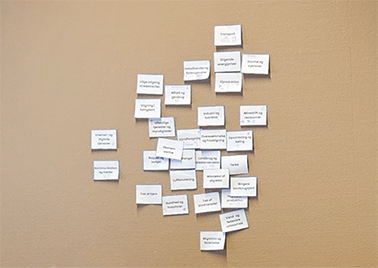
and inequality. The trainers doing a brainstorming on categories
or take the ready cards from the facilitator material. There
are 15 cards on Energy Use Sectors (transport, food, health,
etc), 9 cards on environmental impacts (heat waves,draught,
flood etc.) and 9 cards on social impacts (loss of homes,
water shortage, migration etc.)
The participants get one or two sector cards and place them on a flip chart
or a wall. Each card are to be placed nearby those linked most, and the participants
discuss the linkages. If you use a flip chart you can make lines how they
are linked. The impact cards can be done in the next round.
- Material to use: Pages in the Handbook: #26-28
and Facilitator Material # 75-80 (sector cards, and impact
cards.
- Relevant Fact Sheets: Social aspects of Climate
Change
|
|
3.3.
Climate Inequality Walk |
What
do you learn: Develop empathy and critical thinking about
global environmental justice.
Understand class and location aspects of climate injustice. Frame climate change
as effect of economic system.
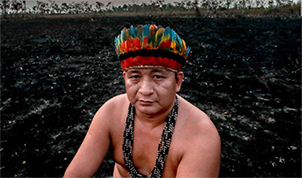
Description & How do you do: A movement-based, story-focused walk
illustrating real life climate impacts and encouraging emotional engagement.
The stories include pollution, sinking island, forest cut to soy production,
fracking, e-waste, coal mining, wildfire, migrant workers at an electric car
factory etc. There are 11 case story sheets, which includes a picture and description,
and 2 questions: What kinds of impacts can you see on the environment and
climate? and on the society and economy? The participants walk around and answering
the questions.
- Material to use: Pages in the Handbook: #
29-30 and Facilitator Material # 83-93 (case story sheets).
- Relevant Fact Sheets: Social aspects of Climate Change, Energy
Poverty, Energy Wars. |
|
3.4.
Climate Wars |
What
do you learn: Understand how climate change contributes
to modern conflicts and affects peace and security. Locate examples
of climate-linked tensions.
Description & How do you do: A case-based activity
examining conflicts shaped by climate pressures, prompting discussion
on peace, resources and justice.To collect cases make a brainstorm,
or use the conflict cards and videos. Each team gets a conflict card,
which they discusses and agree answering to the questions: what’s
causing the conflict, which groups are involved and how it is linked
to climate change, energy, economy. The cards are placed on a global
map. Afterwards the group presents the case to the others, and their
conclusions. Finally, they discuss how to solve these conflicts? and
what can we do to prevent future ones?
- Material to use: Pages in the Handbook: #31-32
and Facilitator Material # 94-98. (conflict cards)
- Relevant Fact Sheets: Social Aspects of Climate Change,
Energy Wars.
|
Module
4 - Active Citizenship
|
|
|
|
4.1.
Organisation Bingo |
What
do you learn: Become familiar with international climate organisations
and processes. Create links between global organisations and local
organisations known to participants.
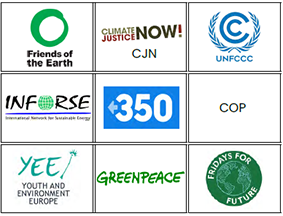
Description& How do you do: The traditional
bingo game, where instead of numbers there are organisational logos
on each bingo card. The trainer use a film or read up a story, where
the organisations name is part of the story. When you hear the name
of the organisation you make a cross on the card, and when all organisations
mentioned on a line you say "bingo."
During this playful way, the organisations behind the international climate
negotiations, national and local organisations are introduced. After the play
there is a discussion how linkages are from international to to local actors
and initiatives.
The facilitator guide has an example, but typically the trainer needs to make
a local version. We plan to collect the bingo stories, please inform us if
you make one. Send email to ove@inforse.org.
- Material to use: Pages in the Handbook: #34-35
and Facilitator Material # 99-101.
- Relevant Fact Sheet: Climate Change |
|
|
4.2.
Role Play: EU Climate Negotiations |
What
do you learn: Understand democratic challenges of national
and EU energy policies.
Practice negotiation and collaboration skills.
Description & How do you do: This is a role-play simulation,
where participants act as Ministers of a Country to negotiate climate and energy
policies and national targets to meet the EU target. The trainer gives the
country card and the policy measures cards to the country group team. There
are 3 countries (Denmark, Germany, Poland). Each country team includes 3-4
Ministers and a Prime ministers, who discuss different policy options from
the policy cards in 4 sectors. The Ministers are playing their role according
to their interest. They discuss, debate and choose policy options, which they
agree on, which has CO2 reduction effects. Afterwards,
the country teams present what they decided and the other country teams comment
on it. The trainer can play the role of the EC Commissioner. If the overall
reductions are not enough the countries will debate and need to make compromises.
The role-play can be played in an advanced way, when they edit their choices
into an excel sheet and the excel calculates the reduction. In this way it
is possible to see that which measures reach the targeted reduction.
- Material to use: Pages in the Handbook: #36-37
and Facilitator Material # 102-110.
- Relevant Fact Sheets: 100 % Renewable Energy |
|
4.3.
Participation Café |
What
do you learn: Identify various forms of civic and democratic
participation. Reflect on own and other’s engagement. Encourage
future active citizenship.
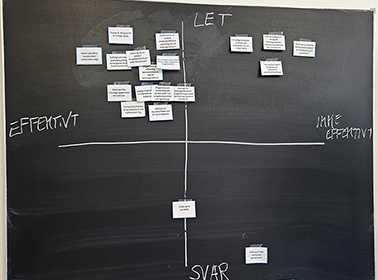
Description& How do you do: The trainer draws
a chart with vertical and horizontal axes indicating how easy/hard
and how effective the action is. The participants receive cards describing
different actions, e.g., signing a petition, participating in a waste
cleanup, organising a second-hand market, running for the town council,
etc. Participants read the cards and place them on the chart according
to how easy/difficult and how effective they are. Finally, the participants
discuss and/or tag, which action they have done, add actions which
are missing, and share their opinions on the different actions.
- Material
to use: Pages in the Handbook: #38-39 and Facilitator
Material # 110-113 (action cards)
- Relevant Fact Sheets: What is Climate Change? |
|
| |
| |
The
Project "Energy
Literacy for Youth" [ELY] is capacity building
for youth education that supports the skills and abilities of young
people to become active citizens in the fields of climate change and
renewable energy. Energy
literacy empowers individuals and communities to make informed decisions
regarding energy use, promoting sustainability, and mitigating climate
change. The
target groups are young people (18-25 years old), educators and trainers,
policy makers and general public. There will be special focus on inclusivity,
and diversity addressing the knowledge gaps among youth in marginalised
groups with different socio-cultural backgrounds, disabilities, etc.
The ELY project is financially supported by the EU ERASMUS+ program.
Project partners: Open
Plan Foundation (Poland, project lead), MigLAB (Germany), YEE
- Youth and Environment Europe (Czechia), and
INFORSE-Europe (Denmark).
Project
Area: The project is implemented in
five countries - Poland, Czechia, Denmark,
and Germany - and will culminate in a final conference in
Brussels to share best practices, outcomes, and strategies
for broader adoption of the curriculum.
|
| |
| Read
more at the ELY Project's web site: https://energyliteracyforyouth.eu/ and
at partners web sites: |
|
|
| Partners
of the Project: |
|
|
|
|
|
INFORSE-Europe
International Network for Sustainable Energy - Europe, Denmark
att. Gunnar Boye Olesen, Judit Szoleczky, Rasmus Varnich Blumensaat
E: ove [at] inforse.org
in cooperation with members, MEC-HT - Environmental and Energy
Center in Hoje Taastrup in Denmark.
W: inforse.org/europe/ELY.htm & W: inforse.org/europe/ELY/
|
| |
|
|
|
|
|
|
MigLAB,
Transforming Labour and Migration, Germany
att. Hannah Heyenn
E: hannah.heyenn [at] miglab.de
W: https://miglab.de/
|
| |
|
|
|
|
|
 -
-


 Nuclear
Energy
Nuclear
Energy Gender
 Structural
Funds
Structural
Funds

 English
 Czech
Czech Ukrainian